

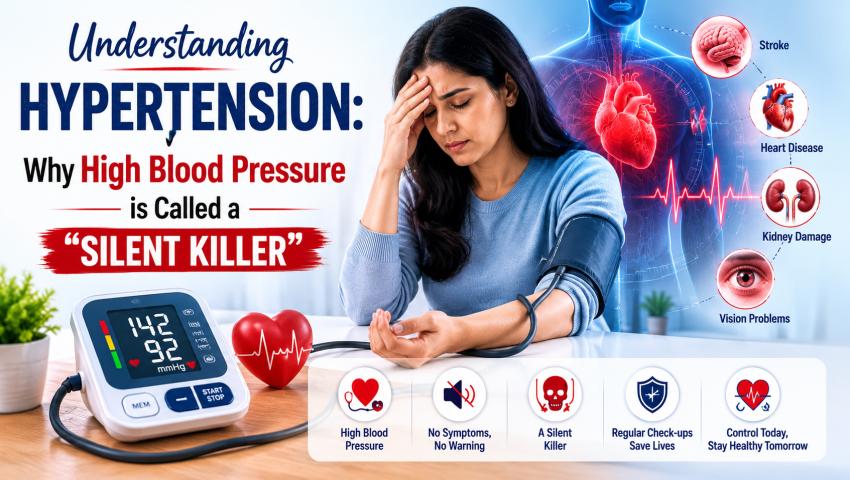
Imagine a patient walking into a clinic for a routine eye check-up or a standard employment health clearance, feeling perfectly energetic, healthy, and symptom-free. Yet, when the medical nurse wraps the blood pressure cuff around their arm, the digital monitor flashes an alarming reading: 160/100 mmHg.
This common scenario unfolds daily in medical clinics across the country. It perfectly illustrates why hypertension (high blood pressure) is universally dubbed by medical professionals as the “Silent Killer.”
Unlike a common cold, an infection, or arthritis, which immediately announce themselves through pain, fever, or physical discomfort, high blood pressure can quietly damage your internal organs for decades without causing a single obvious symptom. Left unchecked, this silent strain dramatically increases the risk of catastrophic events like strokes, heart attacks, and permanent kidney failure.
The Mechanics of High Blood Pressure:
To understand the hidden danger of hypertension, it helps to visualize your circulatory system as a complex plumbing network. Your heart acts as a central pump, forcing oxygenated blood through an extensive network of elastic muscular tubes called arteries.
When your heart beats, it pushes blood into these vessels, creating pressure against the arterial walls. This pressure naturally fluctuates throughout the day based on your activity levels and emotional state. However, when this pressure remains consistently elevated above normal levels (typically 120/80 mmHg), the condition is classified as chronic hypertension.

Staring down consistently elevated pressure means your heart must work much harder than normal to pump blood throughout your body. Over time, this excessive force micro-damages the delicate inner lining of your arteries, causing them to become stiff, thick, narrow, and scarred.
How Hypertension Quietly Damages Your Body?
Because your blood vessels supply every single cell in your body, chronic, uncontrolled arterial pressure acts as a slow, destructive force across multiple vital organ systems:
- The Brain (Strokes): High pressure can cause the narrowed blood vessels supplying the brain to burst or become completely clogged by a blood clot. This cuts off oxygen to brain tissue, resulting in a sudden, debilitating stroke.
- The Heart (Cardiovascular Disease): To pump against high resistance, the heart muscle naturally thickens and enlarges. Over time, this overexertion weakens the heart muscle, leading to heart failure. Additionally, damaged coronary arteries increase the likelihood of a sudden heart attack.
- The Kidneys (Renal Failure): The kidneys rely on a dense web of microscopic blood vessels to filter waste products out of your blood. Hypertension scars these delicate vessels, diminishing the kidneys’ filtering capacity and eventually requiring dialysis or transplantation.
- The Eyes (Retinopathy): The tiny, fragile blood vessels supplying the retina can easily burst, leak fluid, or harden under high pressure, leading to blurred vision or complete blindness.
Unmasking the Risk Factors:
While hypertension can affect anyone, certain lifestyle choices and biological factors significantly amplify your risk:
- Excessive dietary salt (sodium) intake, which forces the body to retain fluids, increasing blood volume.
- A sedentary lifestyle with little to no regular physical activity.
- Chronic emotional and mental stress, which triggers frequent adrenaline rushes.
- Obesity or being significantly overweight.
- A direct family history of high blood pressure or early cardiovascular disease.
Taking Charge: Prevention and Management
Because hypertension is notoriously silent, the only definitive way to find out if you have it is through regular, proactive blood pressure tracking. Waiting for symptoms like severe headaches, dizziness, or nosebleeds to appear means waiting until your body has already suffered significant vascular damage.
Fortunately, hypertension is highly manageable, and often entirely reversible in its early stages, through strategic lifestyle modifications:
- Adopt a Heart-Healthy Diet: Emphasize the intake of whole grains, fruits, fresh vegetables, and lean proteins while drastically reducing processed foods, fried snacks, and added table salt.
- Stay Physically Active: Engage in at least 30 minutes of moderate-intensity aerobic exercise, such as brisk walking, swimming, or cycling, at least five days a week. Regular exercise naturally relaxes your blood vessels, allowing blood to flow much more smoothly.
- Monitor Your Numbers Routinely: Keep a reliable digital blood pressure monitor at home, especially if you are over the age of 30 or have a family history of heart disease. Log your readings consistently to share with your physician.
Expert Hypertension Management at Dr. Maid Hospital:
At Dr. Maid Multispeciality Hospital, our primary goal is to catch chronic conditions like hypertension long before they lead to life-altering complications. Our comprehensive primary care and cardiology departments offer advanced vascular screenings, custom cardiovascular risk profiling, and expert guidance on medical management.
If lifestyle changes alone are not enough to bring your numbers into a safe zone, our experienced physicians will prescribe modern, highly effective antihypertensive medications tailored precisely to your body’s metabolic profile.
Remember, a normal reading on a blood pressure monitor is not just a number—it is a shield protecting your heart, brain, and kidneys. Do not wait for the “Silent Killer” to make its presence known. Visit us for a routine health check-up today and stay steps ahead on your journey to lifelong wellness.